Standing Traction Device
Standing Traction Device — Restore Your Neck's Natural Curve
What is the Standing Traction Device? It is an over-the-door cervical traction unit that applies gentle, upright pulling force to the neck to decompress the cervical spine and help guide it back toward its natural forward curve (cervical lordosis). Used a few minutes a day, it works against the flattening of the neck caused by hours of forward-head, screen-bound "tech-neck" posture.
A healthy neck holds a gentle C-shaped curve of roughly 20–40 degrees. When that curve flattens or reverses, the head's weight shifts forward — every 2.5 cm of forward head position adds about 4.5 kg of extra load on the neck muscles — driving stiffness, headaches and pinched-nerve pain. Upright traction is one of the simplest ways to reload the cervical spine in the right direction.
How upright traction reshapes the cervical curve
How does it work? The device gently separates the vertebrae and unloads the discs while holding your head in a slightly extended, chin-tucked position. Because you stand or sit upright while using it, gravity and your own posture guide the spine into a curved, lordotic shape rather than a flat one — so you are not only decompressing the neck, you are training it back into alignment.
This applies the natural loading-and-unloading cycle that ligaments and discs need to rehydrate and remodel over time. The clinical goal is a more natural cervical curve, looser muscles and less nerve irritation. Individual results vary and depend on consistency and starting posture.
What the device does
 Restores the natural neck curve — holds the cervical spine in a lordotic position so traction reshapes, not just stretches.
- Decompresses the cervical spine — separates the vertebrae to take pressure off discs and pinched nerves.
- Eases tech-neck and forward-head posture — counteracts the daily forward pull of phones, laptops and desks.
- Boosts circulation and relaxation — oxygenates the muscles, nerves and tendons of the neck and upper back.
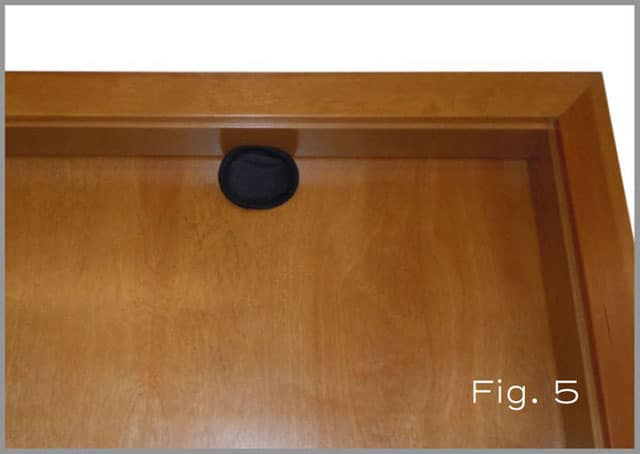
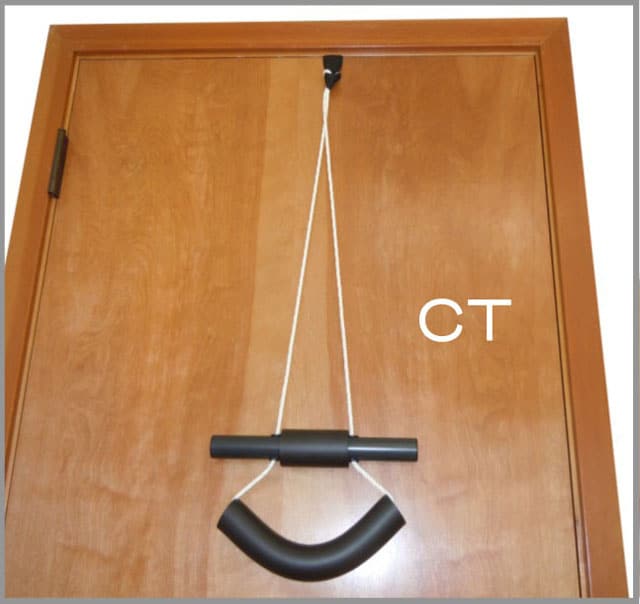
- Works in 2–3 minutes a day — sets up in 6 easy steps over almost any door.
- Lightweight and travel-ready — height-adjustable, one-size-fits-all, packs flat for the office or trips.
Standing traction vs. the alternatives
| Standing Traction Device | Manual stretches / no device | |
|---|---|---|
| Targeted decompression | Sustained, measured upright pull | Brief and inconsistent |
| Curve restoration | Holds the neck in a lordotic shape | Little to no curve guidance |
| Daily consistency | Hands-free, 2–3 minutes | Hard to sustain |
| Portability | Folds flat, fits any door | Not applicable |
| Guided progression | Pairs with a ScolioLife posture review | Self-directed, unmonitored |
Who it is for
- Office workers and students with a flattened or reversed neck curve from long screen hours.
- Adults with neck stiffness, tension headaches or pinched-nerve pain radiating into the shoulders or arms.
- Patients on a ScolioLife programme who want to support their in-clinic care with daily home maintenance.
How to set up at home in 6 steps
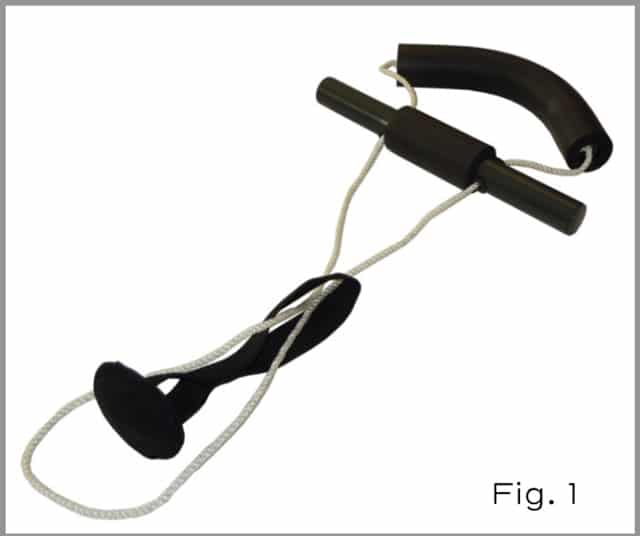
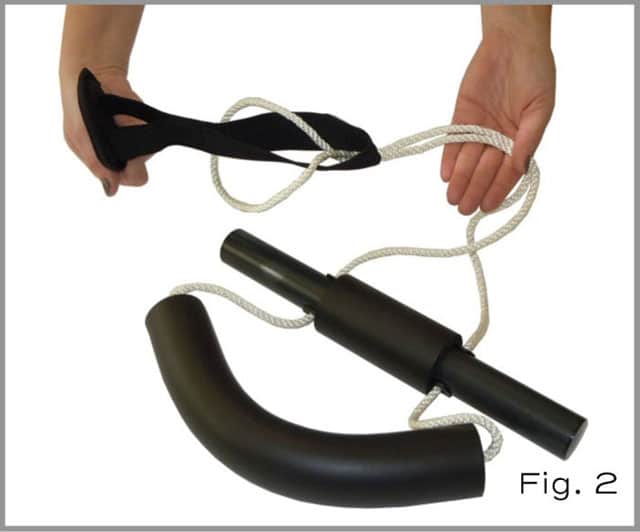
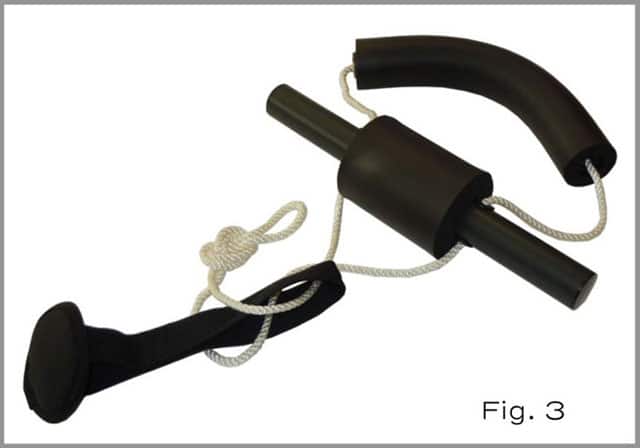
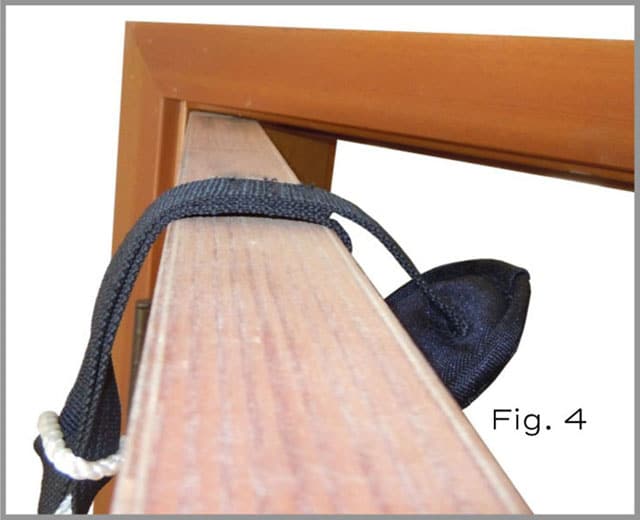
Part of the ScolioLife system
The Standing Traction Device works best as one piece of a complete programme. At ScolioLife, Dr Kevin Lau combines posture-specific exercise, scoliosis-specific equipment and nutritional support to address the root causes of spinal imbalance. A home traction unit keeps the cervical curve moving in the right direction between clinic visits — for the best outcome, have your posture and neck curve assessed first so your daily routine is matched to your spine.